

Recruitment 101: how to secure your dream job with Andreea Văduva, HR Team Leader
3 April 2026
The recruitment process might be one of the most important stepping stones at the beginning of one’s career. Some say it’s all luck, others rely strongly on technical skills, but as linear as it might appear from the outside, everyone has a unique experience.
Today, we’re sharing our version of it. For this, Andreea Văduva, Human Resources Team Leader, joins us for a discussion in which we cover all the important aspects within the recruitment process. From preparation to dos and don’ts, we debunk the most common misconceptions and recap all the tips and tricks in the book.
Today, we’re sharing our version of it. For this, Andreea Văduva, Human Resources Team Leader, joins us for a discussion in which we cover all the important aspects within the recruitment process. From preparation to dos and don’ts, we debunk the most common misconceptions and recap all the tips and tricks in the book.
Let’s get started!
Hello, Andreea, thank you for joining our discussion today! Firstly, let’s get to know you better. What is your role within the company and how does a day in your work life look like?
Andreea: Hello, everyone! As the HR Team Leader, my work involves a close collaboration with our leadership teams across the company, driving forward our people strategy and supporting the overall business objectives.
My day usually involves meetings with managers to discuss team dynamics, employee development, or organisational needs. I also lead initiatives related to employee engagement, performance management and our onboarding programmes. At the same time, I stay close to employees, offering guidance and contributing to a healthy and positive work environment.
What I enjoy the most about my role is that challenges never cease to appear. The role requires a mix of empathy, communication and problem-solving, as it gives me the opportunity to contribute to both people’s development and the organisation’s growth.
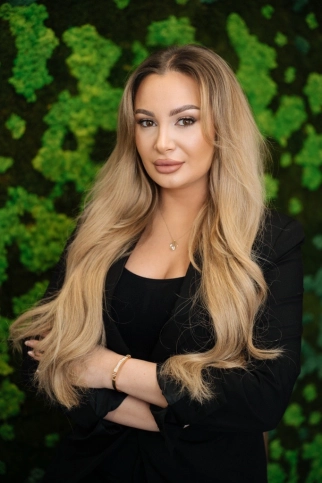
Sounds really good! Today, we’ll use your rich expertise in human resources to dive deeper into the recruitment process. We’ll go through all the checkpoints and discover the essential aspects we should pay attention to while preparing for the next professional journey.
CV dos and don’ts
Andreea: One of the most important aspects is to keep your CV concise and easy to read. Ideally, it should highlight your most relevant experience and achievements, rather than listing every responsibility you’ve ever had. Recruiters often look for impact, so it’s helpful to mention results or outcomes whenever possible.
At the same time, it’s important to avoid overly long CVs, generic descriptions, or information that isn’t relevant to the role you’re applying for. Small details also matter because spelling mistakes or inconsistent formatting can create the impression that the document wasn’t carefully prepared.
Overall, a strong CV should clearly show who you are professionally and why you might be a good fit for the role.
How to apply
Andreea: When applying for a role, it’s helpful to approach the process thoughtfully rather than sending the same application everywhere.
Start by carefully reading the job description and understanding what the company is looking for. If you feel your experience aligns with the role, try to highlight the most relevant parts of your background in your CV.
Doing a bit of research about the company can also make a difference. Getting to know their activity, culture, or values helps you better position your application and shows genuine interest.
Interview prep
Andreea: Preparation is a key step before an interview.
It’s best to spend some time researching the company and understanding the role you applied for, so you don’t go unprepared. This will help you feel more confident during the process.
It’s also helpful to think about some examples from your previous experience that demonstrate your skills, achievements, or how you handled certain challenges. Interviews often focus on real situations, so having a few clear examples ready can help a lot.
Finally, remember that interviews are not only about well-crafted answers. Preparing a few smart questions of your own shows curiosity and sincere interest in the role and the organisation.
... and now what?
Andreea: After an interview, the next steps can vary depending on the company and the stage of the recruitment process.
If the feedback is positive and you’re considered a good fit for the role, the recruiter will usually contact you to discuss the next steps. This might involve additional interviews, assessments, or eventually a job offer.
If you’re not selected, it doesn’t necessarily mean you didn’t perform well. Sometimes another candidate simply has a profile that matches the role slightly better, or the company is looking for a very specific experience.
It’s always helpful to see each interview as a learning experience. Every conversation gives you more clarity about what companies are looking for and how you can present your experience more effectively in the future.
Now that we’ve covered the basics, let’s shift our focus towards more specific aspects.
In your opinion, what are the most common misconceptions about the recruitment process?
Andreea: One common misconception is that recruiters only focus on technical skills. While these are important, soft skills, mindset and cultural fit also play a big role in hiring decisions.
Another misconception is that if candidates don’t receive an immediate response, it means they were rejected. In reality, recruitment processes often involve multiple people and internal discussions, which can take time.
Many people also think that interviews are a one-sided evaluation, but in fact the process works both ways. Candidates should also use the opportunity to understand whether the company and the role are the right fit for them.
Can you think of a situation where a candidate pleasantly surprised you? What made them stand out?
Andreea: I remember interviewing a candidate who didn’t fully meet all the requirements listed in the job description. However, what stood out was the level of preparation and genuine interest they showed during the interview.
They had clearly researched the company, understood the role and came prepared with thoughtful questions and ideas about how they could contribute and learn quickly.
Their attitude, curiosity and eagerness to grow made a very strong impression. It was a good reminder that sometimes motivation and potential can be just as important as experience.
What are the most overlooked aspects that make the biggest difference within the recruitment process and get you an offer on the table?
Andreea: One of the most overlooked aspects is communication. Candidates who are able to clearly explain their experience, achievements and motivations tend to stand out much more.
Preparation is another factor that can make a big difference. As previously said, when candidates take the time to understand the company and the role, it shows genuine interest and professionalism.
Finally, authenticity matters a lot. Being natural, engaged and respectful throughout the process creates a positive impression and helps build trust during the conversation.
Lastly, can you offer our readers a piece of advice to take with them through their professional journey?
Andreea: One piece of advice I would share is to stay curious and open to learning throughout your career. The professional world changes quickly and continuous development will help you adapt and boost your confidence.
It’s also important to invest in relationships and communication. Building trust, collaborating well with others and maintaining a strong professional reputation can open many opportunities over time.
And finally, try not to see your career as a perfectly linear path. Every experience, even the challenging ones, contributes to your growth and helps you better understand what you want to achieve professionally.
Thank you, Andreea, for your many insights and useful information! To all of our readers: we hope we have managed to offer you a clear view of the recruitment process in its entirety. Hopefully this will serve as the starting point of a career marked by success and continuous development.
Ready to start your professional journey? Apply now to become a member of our team and put into practice all the steps we mentioned above.
Contact us
Carmen Boz Digital Marketing & Events Coordinator - Bucharest
