
14 Oct 2026
Liquidity risk management
Following a thematic review, the Central Bank of Ireland (CBI) has published results which highlight how MiFID firms manage liquidity risk.

Large European banks included in the sample maintain their resilience despite geopolitical risk and increased market volatility.
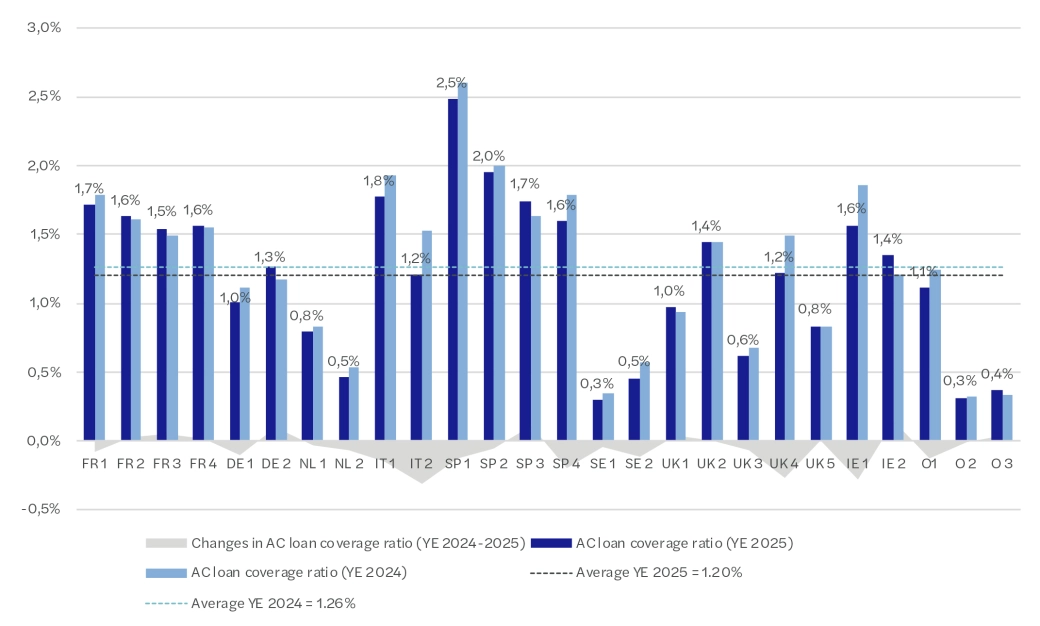
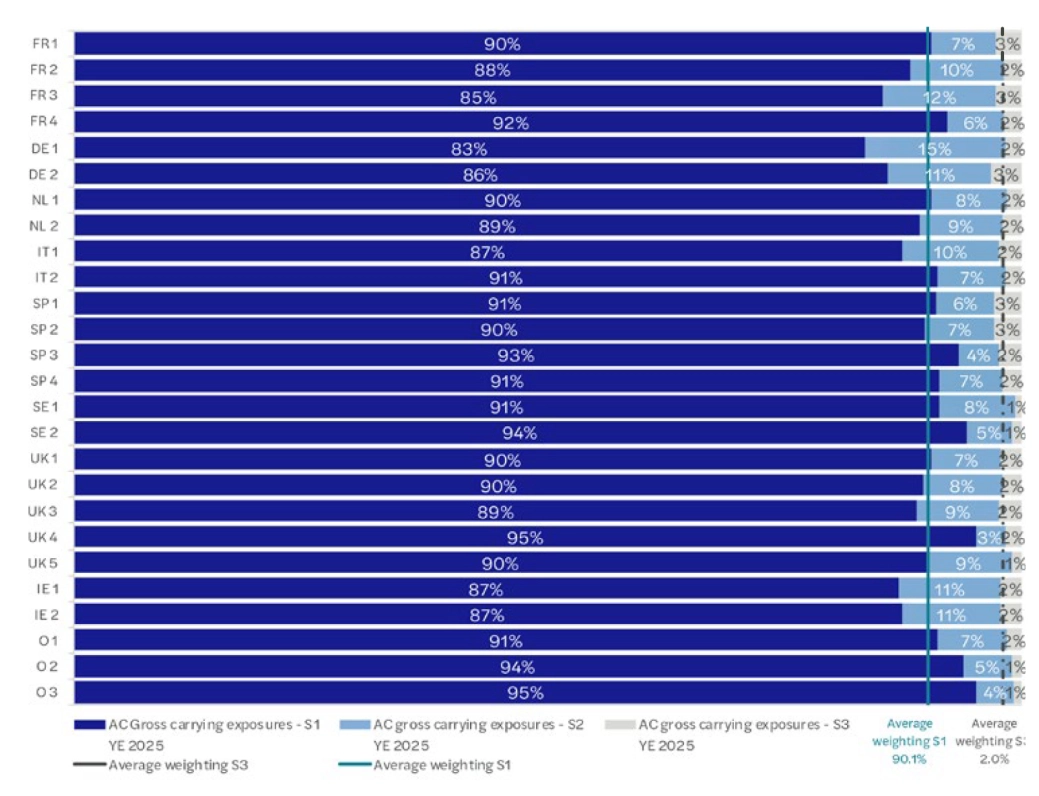
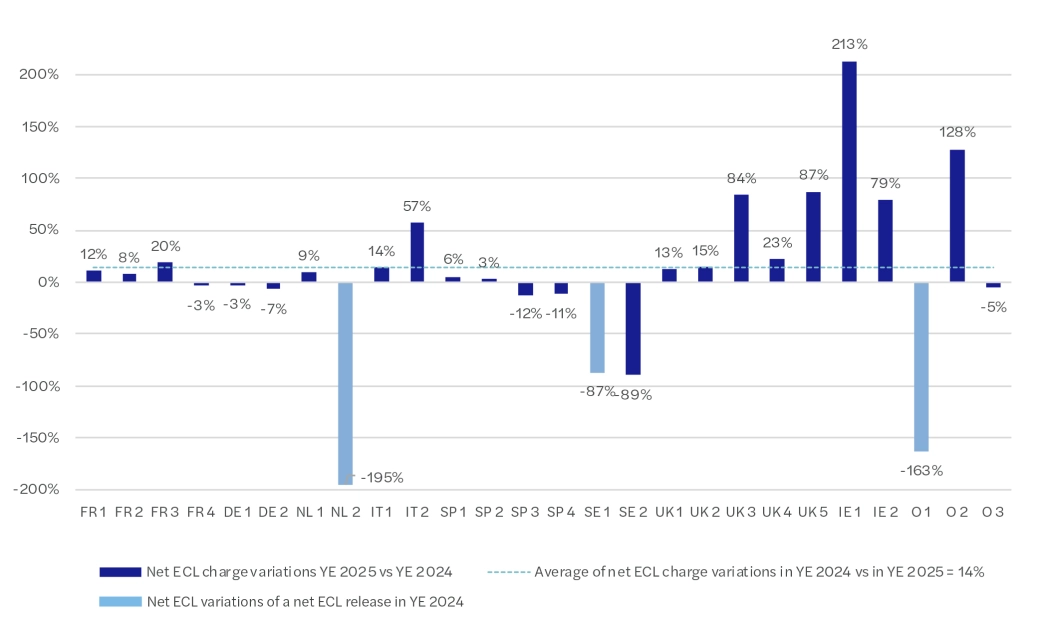
Our latest IFRS 9 benchmark study analyses the expected credit loss (ECL) levels and their changes for 26 large European banking groups, including two Irish banks, based on their 2025 annual reports published before 1 April 2026.
It examines the impact of ECL charges on profitability, movements in ECL allowances and coverage ratios, the allocation of exposures between IFRS 9 stages, the use of post-model adjustments and Banks’ approaches to the macroeconomic scenarios used in forward-looking information.
Overall, Irish banks are in line with the stable trend represented across European peers.
Following a thematic review, the Central Bank of Ireland (CBI) has published results which highlight how MiFID firms manage liquidity risk.

Since its publication in 2013, BCBS 239 has become a fundamental component of the regulatory framework for effective risk data aggregation and reporting within the banking sector.

Changes in relation to financial services with Budget 2027



Building the future of financial services with forward thinking solutions

Independence and rigour that provides confidence and transparency for stakeholders and society.

In an ever-changing regulatory landscape, we help our clients embrace reform, reshape their strategies, and mitigate regulatory risk.

Our expert team has significant first-hand experience implementing accountability frameworks

Helping you anticipate and react to an evolving regulatory environment

Tailored solutions for assurance and value creation in a changing world.

Based on 2025 annual reports provided by European banks before 1 April 2026
This website uses cookies.
Some of these cookies are necessary, while others help us analyse our traffic, serve advertising and deliver customised experiences for you.
For more information on the cookies we use, please refer to our Privacy Policy.
This website cannot function properly without these cookies.
Analytical cookies help us enhance our website by collecting information on its usage.
We use marketing cookies to increase the relevancy of our advertising campaigns.