
Thought leadership reports
Thought leadership reports
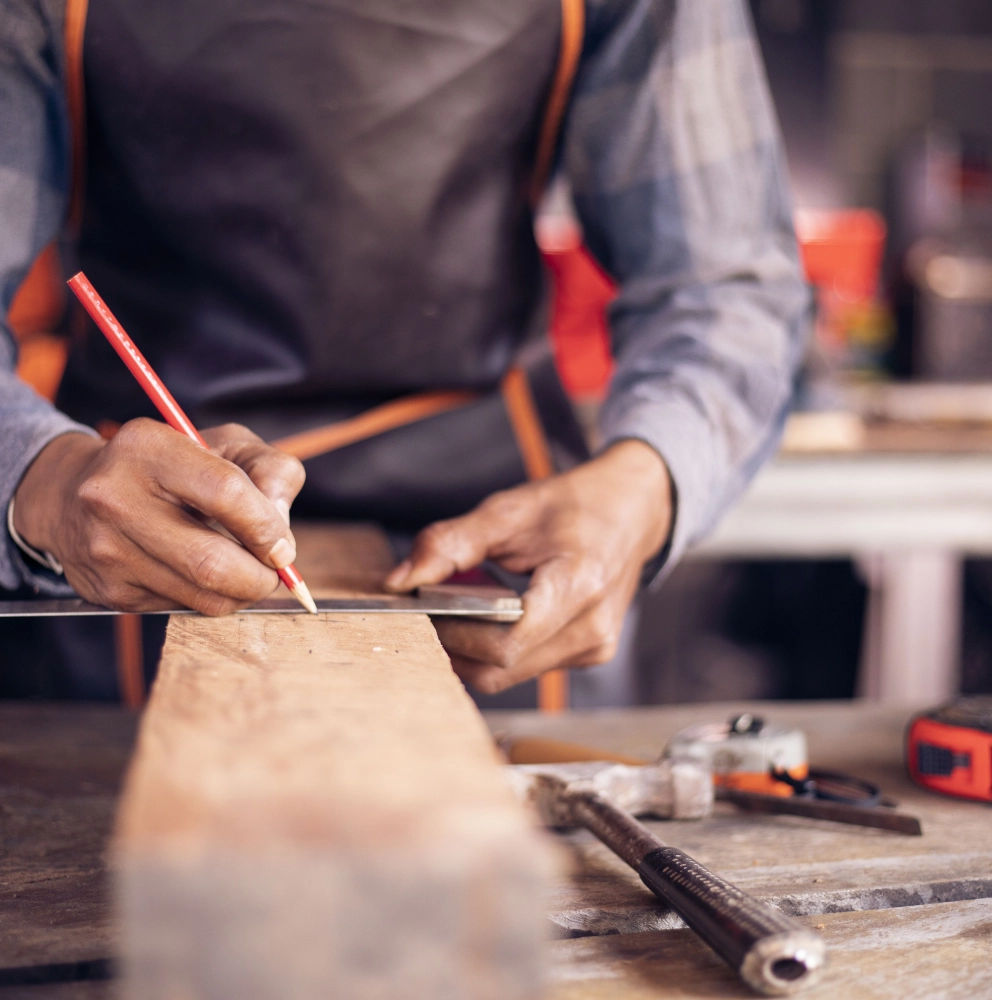
Designing a Digi-Ready Docket for MSMEs
MSMEs are the lifeblood of India, being core innovative powerhouses that propel production, employment and export year-on-year. Meanwhile, digitalisation has become the sine qua non for business resilience and sustenance worldwide. How do we piece the two together?
Read moreThe potential of EV infrastructure market in India
August 2024
Read more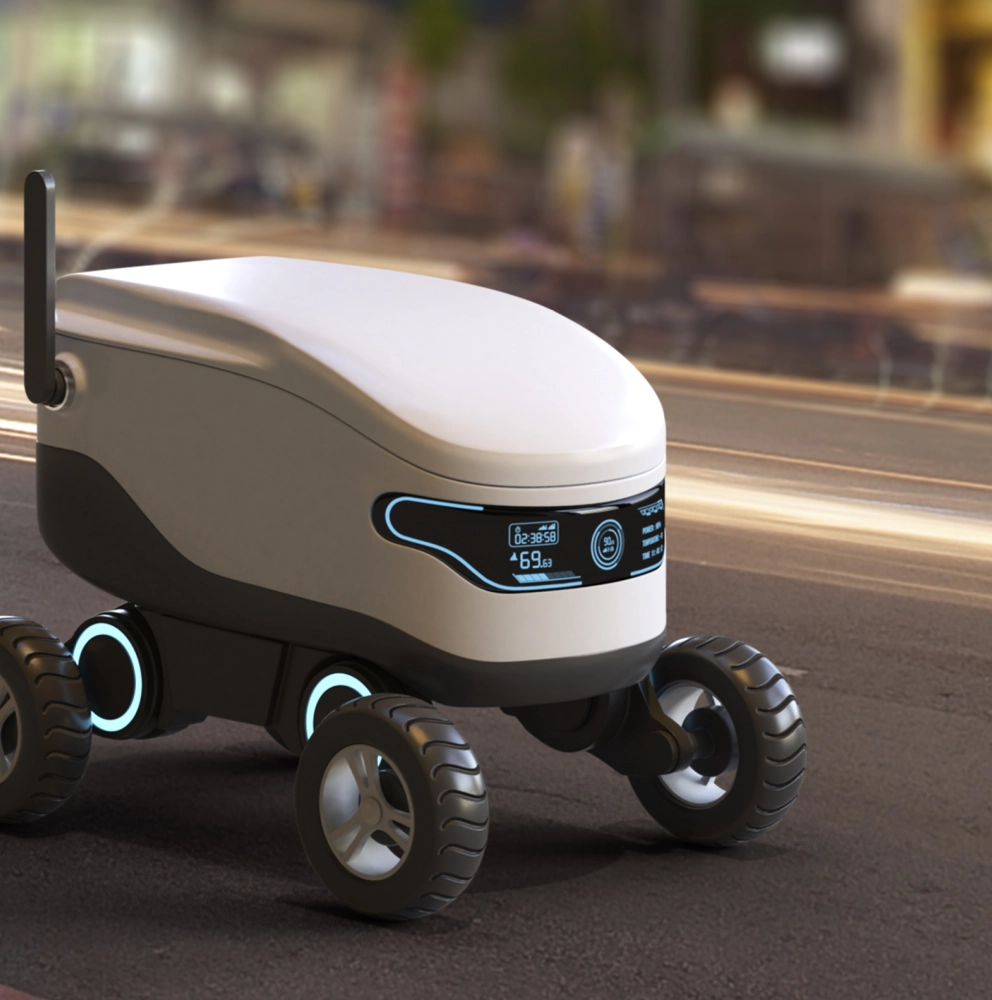
Empowering growth through MSME clusters
Circular economy
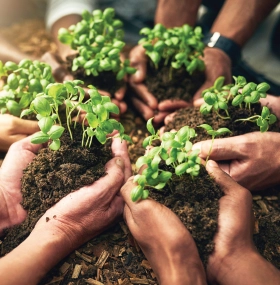
Population and usages of resources are interdependent and proportionally co-related. Judicious use of resources would lead to mitigating resource depletion and thereby fostering a more sustainable environment for future generation. It is estimated that by 2050 world population will soar to 9 billion and fulfilling the demand will require natural resources equivalent to three earths. The present prevailing model of usages of resources is linear economy which is based on the principles of ‘take-make-waste’ and is unable to manage the balance of demand and supply with growing population and depleting resources. It is also
significant contributor to the challenges of climate change, biodiversity loss, waste generation and pollution.
As a consequence of the realisation of the impending resource scarcity, existential threat due to adverse impacts of increasing temperature of planet earth and climate change, circular economy is emerging as a solution for sustainable development.
Labour landscape in India
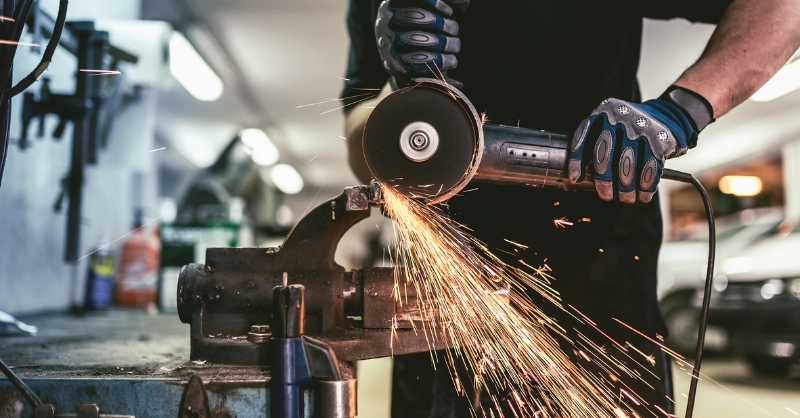
Owing to the vast population of our country, the labour landscape is an intricate set of layers. Diversity, multi-linguistic and multi-cultural are hallmarks of the labour population (labour pool) in India. Economic activities in the country are broadly categorised in the organised and unorganised sectors.
Read more