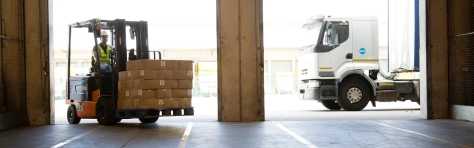
Supply chains disruption or failure are frequently in the top 10 risks for retailers, as they are often the last link in that chain before reaching a customer. However, too often organisations become focused on the function of a supply chain, over its purpose. Supply chains are the backbone of retailers and getting it right will set you apart from your competitors.
What are the key challenges and opportunities for retailers managing their supply chains?
Retailers struggle to get the best value out of their supply chain when they consider solely the function, as opposed to stepping back and considering purpose. A supply chain isn't something a company just falls into, it's built link by link. Every decision made either strengthens or weakens that chain.
Retailers had to realign their supply chain following key shifts like Covid and Brexit, and with economic pressure expected to continue it requires businesses to monitor their suppliers closely and continuously improve.
Forvis Mazars' white paper, issued in collaboration with Board Agenda, on the role of the Board in scrutinising supply chains sets out key areas of focus for Boards, such as setting strategic direction, regulatory compliance, identifying risk triggers, improving transparency and building stronger relationships.
What should retailers think about from a strategic perspective for supply chains?
We encourage Boards to be clear on what they want their supply chain to achieve, and to cascade that messaging consistently. There can be natural tensions for retailers between finance functions, who keep an eye on cashflow, and buying and marketing teams who will be planning for peak availability.
To ensure everyone is on the same page, consider what your biggest challenges are now and what you need from your suppliers to overcome them:
- Are you seeking partners who can guide you, or do you need suppliers just to conform to your exact requirements?
- Are you prioritising best-in-class suppliers in areas like ESG, or is the bottom line your main driver?
If upon reflection, you determine that your suppliers aren't up to the mark, remember it's never too late to make a good decision. Engage with the supplier relationship management teams overseeing your most critical suppliers and consider if the vendors are truly delivering value.
How does risk management play into retailers’ supply chains
The key risks we see most often which affect supply chains are:
- Geopolitics: The invasion of Ukraine by Russia in 2022, which led to sanctions against Russia and disruptions in freight for Ukrainian-produced goods, organisations needed to react swiftly. Identifying affected commodities quickly is crucial, but this can be hindered if your data does not specify the origin of products or the ownership of parent companies. To navigate an uncertain geopolitical climate effectively, it is essential to maintain up to date and well-categorised supplier and product information.
- Financial failure of key suppliers: While companies typically perform due diligence to assess the financial stability of suppliers during onboarding, maintaining this assessment consistently over time can be challenging. Often, companies rely on historical, publicly accessible information, which may not reflect current or future financial conditions. To enhance oversight of critical suppliers, we recommend incorporating forecasted financial results into regular key supplier meetings.
- Data security: In pursuit of effective pipeline management for goods delivery, retailers often require suppliers to share information on their own platforms, or for retailers to engage directly with suppliers. However, this integration can expose retailers to data security risks if a supplier's platform is compromised. To mitigate these risks, organisations should conduct thorough cybersecurity due diligence on suppliers who will handle their data. This includes assessing the security measures of these platforms and regularly monitoring the security practices of their vendors to ensure ongoing protection against potential breaches.
However, aside from just specific risk topics, we’d encourage Boards to think more about their risk mechanisms. We find that Boards can be disconnected from oversight of supply chains, as it sits across a number of teams like finance, operations, legal and procurement. This means it can fall between the cracks of typical C-suite roles, which can make for indirect reporting and management information.
To manage this, we encourage retailers to identify their key risk triggers and make sure if those are crossed, then they are being reported to the right people. This should align to your risk appetite, which will be different for each organisation. To set this, think about what is critical to you and your customers, and what would be enough of a red flag to spur you into action.
We recommend asking yourself uncomfortable questions like: if a critical supplier was starting to crack or if shortages were noted in particular type of product, would the people with enough knowledge and authority, have enough notice, to make changes before it begins to affect your customers?
Regulations are something that organisations should always be mindful of. What’s new in this area?
A common area of support with retailers is ensuring compliance with standards around business continuity plans like ISO 22301. With new legislation coming out regularly, it's crucial to stay ahead and plan for these requirements to avoid being caught out. An example of this is the Procurement Act coming into effect later this year, which may require changes with retailers working with the public sector.
After just ticking the boxes, having assurance over compliance offers significant benefits to companies: it boosts customer trust, enhances transparency, and saves time and money during crises.
But beyond this, for retails who have business to business transactions, proving compliance can be a key requirement for potential customers too, as supply chains encompass not only who supplies you, but who you supply in turn.
What are your top three takeaways retailers should take from this?
- Be absolutely clear what you want from your supply chain, and make sure that message is communicated right across the business.
- Check your reporting routes to ensure potential issues at caught early, and by the right people, to prevent them from becoming problems.
- Don't be afraid to make a change if things aren't working well. When it comes to supply chains the best time to fix a problem was yesterday, the second best time is today.
Get in touch with our consumer sector experts
If you want to learn more about building a resilient and strategic supply chain in 2025 and beyond then get in touch with a member of our team.
Get in touch