
Mapping public sector readiness, risk and resilience 2026
Download the report

Based on insights from 100+ senior leaders across the UK public and social sector, our latest report captures a sector navigating competing priorities.
The findings reveal a sector that has turned a corner in sentiment but remains under significant structural pressure. Leaders are adapting, but the gap between ambition and capacity continues to shape decision-making.
Four key themes emerge: shifting sentiment, financial fragility, workforce strain, and the challenge of delivering digital transformation at scale.
 describe their outlook as pessimistic, down from 56% last year |
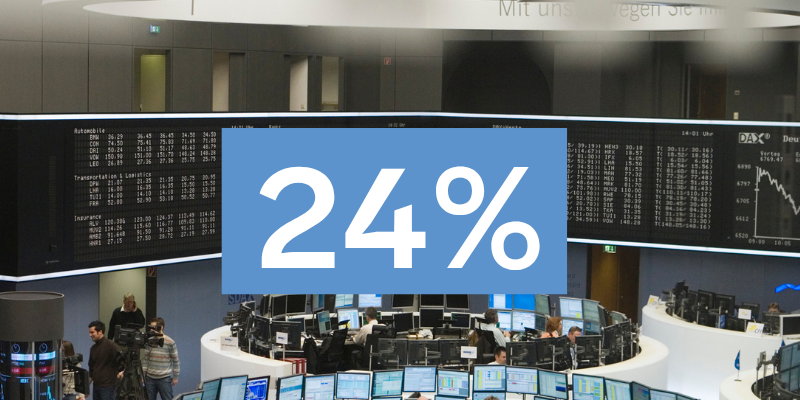 are confident in managing economic challenges, a sharp decline from 46% |
 have made significant budget reallocations in the past 12 months |
 cite recruitment challenges as their biggest workforce risk |
 identify AI or automation as their most critical digital priority |
 say limited funding is the biggest barrier to transformation |
 |
From pessimism to cautious neutralityThe outlook among public sector leaders is shifting, but only gradually. While pessimism has declined, it has been replaced by a cautious neutrality rather than strong optimism. Leaders are taking a watchful approach, responding to signals from the political and economic environment while maintaining a clear understanding that underlying pressures remain unchanged. Public and social sector organisations report more optimism about their own sector than the system as a whole, suggesting pockets of resilience within a challenging broader landscape. |
Financial sustainability remains the sector’s main pressure pointConfidence in managing economic challenges has fallen significantly, with many organisations struggling to reconcile rising demand with limited resources. Operational consequences are already visible from recruitment freezes and reduced services to delayed projects and capacity erosion. More than half of organisations have been forced to reallocate budgets in response to unforeseen pressures. Only a small proportion of leaders believe their financial forecasting tools are highly effective. |

|
 |
The talent gap is widening as experience drains awayThe workforce challenge remains one of the most immediate and complex risks facing the sector. Recruitment pressures continue to dominate, compounded by retention issues, skills shortages, and an ageing workforce. Organisations are facing a multi-layered challenge:
all while operating under financial constraints. Cultural factors also play a significant role, with many leaders reporting only limited confidence in their ability to address workplace culture issues that contribute to attrition and disengagement. |
Digital ambition is clear — delivery is another storyAI, automation, and data integration sit at the top of the agenda, with public and social sector leaders recognising their potential to drive efficiency and improve service delivery. However, ambition is constrained by structural barriers. Limited funding, legacy systems, and skills shortages continue to slow progress, creating a persistent gap between strategic intent and actual execution. This tension between the need to transform and the capacity to deliver defines much of the sector’s current position. |

|

The mood may be improving, but the underlying challenges remain. As local authorities navigate reorganisation, financial pressures and rising demand, resilience will depend on what they do next.
Explore more
Download the report

Local government is operating in one of the most challenging environments in decades.

Against a backdrop of financial uncertainty, regulatory scrutiny and increasing service demand, social housing leaders are working to stabilise their organisations while laying the groundwork for long-term transformation.

The charity sector, and particularly smaller charities, can face problems in achieving and maintaining board diversity. The resulting lack of breadth of experience and skills can result in less effective boards. How then can a charity address these issues through either recruitment or board practice?

Artificial Intelligence (AI) is becoming an integral part of how local governments operate. With budgets under pressure and demand for services rising, AI can offer practical solutions to improve efficiency, free up staff time, and support to deliver better outcomes for communities.

The rules around VAT recovery for academies are particularly complex. So, awareness and knowing when to seek advice can help avoid any unnecessary VAT costs. Below are ten key issues we think you should be considering.


This website uses cookies.
Some of these cookies are necessary, while others help us analyse our traffic, serve advertising and deliver customised experiences for you.
For more information on the cookies we use, please refer to our Privacy Policy.
This website cannot function properly without these cookies.
Analytical cookies help us enhance our website by collecting information on its usage.
We use marketing cookies to increase the relevancy of our advertising campaigns.